Cryotherapy Psoriasis And Eczema Treatment in Bristol
Cryotherapy for psoriasis and eczema uses targeted cold treatment to reduce inflammation; once the session ends, increased blood flow to the area helps support the skin’s natural repair process.
£50 per area, per session or £200 for 5 sessions.
Psoriasis and Eczema Treatment in Bristol
Why Choose Pro Clinics for Cryotherapy Psoriasis and Eczema Care?
Psoriasis treatment Bristol
If you are struggling with psoriasis or eczema, you’ve likely tried countless creams, lotions, and other remedies in search of relief. While some over-the-counter products may help temporarily, many people find they don’t provide the long-lasting results they need. That’s why more individuals are now turning to advanced options such as cryotherapy psoriasis treatment in Bristol and cryotherapy eczema treatment in Bristol.
Psoriasis cure Bristol
Effective Localised Cryotherapy for Skin Conditions
Eczema treatment Bristol
At Pro Clinics Bristol, we specialise in delivering innovative solutions for skin conditions. We have invested heavily in cutting-edge localised cryotherapy technology, designed to provide fast, targeted results. Unlike messy creams or sticky ointments, cryotherapy offers a clean, precise, and highly effective alternative for those seeking a psoriasis cure in Bristol or an eczema cure in Bristol.
This treatment is focused only on the affected areas, ensuring the best results while saving you both time and money. Sessions are quick, comfortable, and designed to fit easily into your routine.
Convenient Location and Trusted Reputation
Eczema cure Bristol
Our clinic is conveniently located in the heart of Clifton, making it simple to drop in for your psoriasis treatment or eczema treatment. Pro Clinics has built a strong reputation across Bristol, supported by multiple 5-star reviews from satisfied clients. When you choose us, you can be confident you’re in the hands of a professional, trusted team dedicated to helping you achieve clearer, healthier skin.
Cryotherapy Psoriasis and Eczema Treatment FAQs
What is Cryotherapy Psoriasis & Eczema Treatment?
Simply put, it is the use of extremely cold temperatures to improve skin conditions such as psoriasis and eczema. Pro. Clinics are experts in localised, or as it’s sometimes called, targeted cryotherapy. Freezing the area of concern causes the tissue to die and through a phenomenon known as the ‘reverse Koebner response’ the psoriasis or eczema begin to fade.
For many, cryotherapy is a welcome alternative to topical creams, as it is quick and easy to carry out and is relatively inexpensive. The treatment itself takes only a few minutes to perform and is not a painful procedure.
For some conditions, only one application is necessary to see benefits although usually a course of multiple treatments will be required.
What is Psoriasis?
Psoriasis is a hereditary, autoimmune illness affecting millions of people in the UK and close to 3{f1dc52713b717146297c360d87e9dae2011db7316e64ae6707d71ba8b1aca4e0} of the world’s population. Psoriasis can bring about serious pain which is sometimes treated with skin creams, medicated shampoos, oral solutions, and an improved diet. These treatments all have their place, but now there is an alternative treatment, involving targeting the affected area using localised cryotherapy.
There are generally 5 types of psoriasis which lead to chronic inflammation with symptoms including:
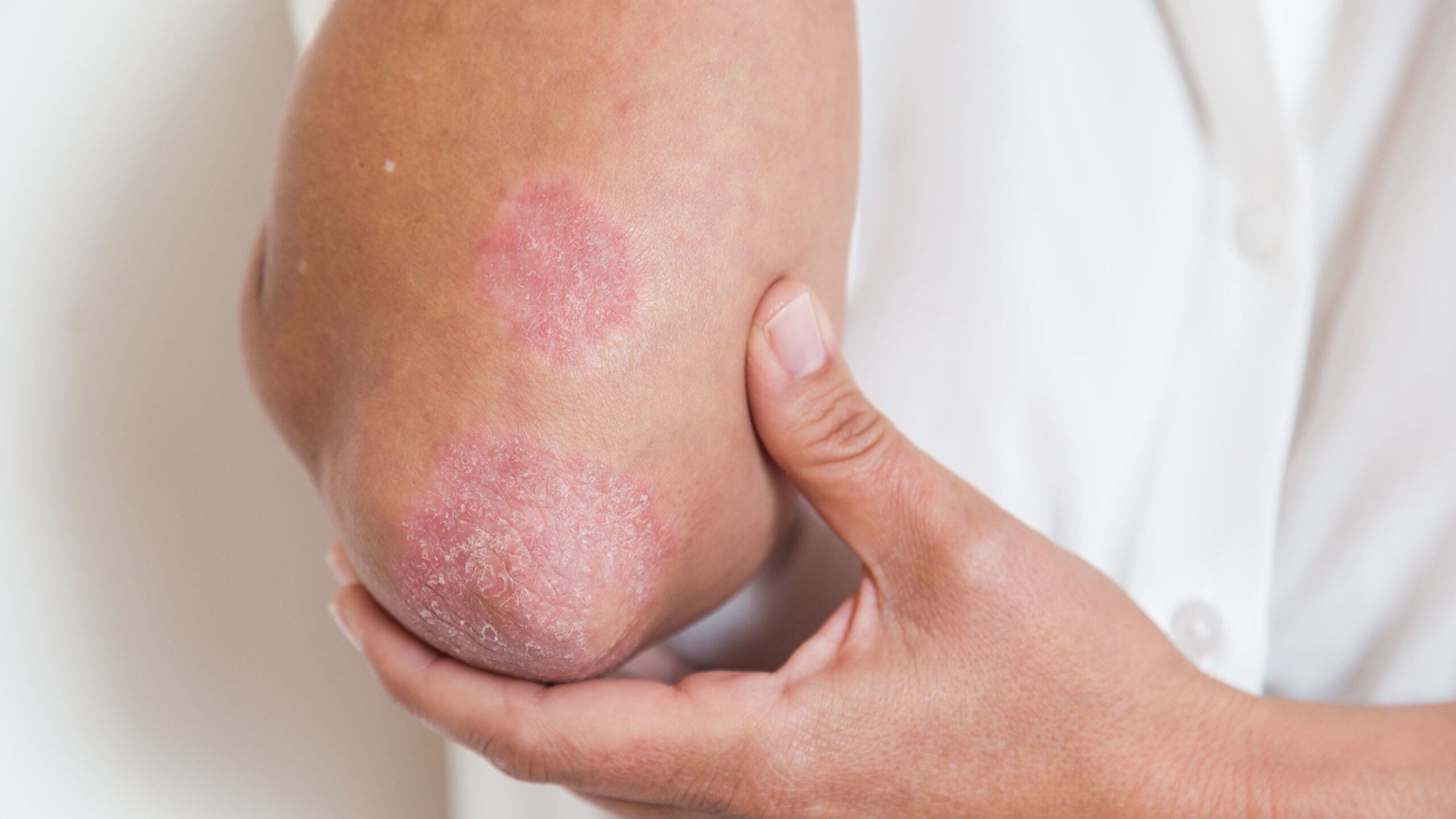
- Plaque – Thick red patches of skin.
- Guttate – Small red spots on the torso, limbs, face, and scalp.
- Inverse – Red, shiny, smooth rash in skin folds.
- Pustular – White pustules surrounded by red skin.
- Erythrodermic – Resembles severe burns and covers large portions of the body.
What is Eczema?
Eczema is the name given to a group of medical conditions that can cause the skin to become red, itchy and inflamed. There are different types of eczema including – atopic dermatitis, contact dermatitis, dyshidrotic eczema, nummular eczema, seborrheic dermatitis and stasis dermatitis.
Eczema is a very common problem that affects millions of people, although luckily for many it is also very manageable.
The word “eczema” is derived from a Greek word meaning “to boil over.” This is a very good description for the red, inflamed, itchy patches that often occur during flare-ups. Eczema can range from mild and moderate, to severe.
It is most common for babies and young children to develop eczema on their faces, although it can appear anywhere on the body and symptoms are often different from one child to the next. Eczema often goes away as the child grows older, although some children will continue to experience eczema into their teenage years and into adulthood. It is also worth noting that adults can also develop eczema, even if they never had it as a baby or child.
What is the difference?
This is an interesting question and one that is often a source of confusion. Generally speaking, Psoriasis causes well-defined, thick, red, scaly patches, commonly found on areas such as the elbows and knees. It is also common to see psoriasis on the face, buttocks, and scalp. With someone suffering from psoriasis, you would usually see thick patches of skin with overlying redness.
Eczema can appear anywhere on the body, but often tends to appear in the crooks of the knees and the elbows.
People that suffer with psoriasis tend to have fairly mild itching, whereas for people suffering with eczema, the itching can be far more intense. If you are unsure whether you are suffering from either psoriasis or eczema, Pro. Clinics advise consulting your GP, or a dermatologist, in order for them to provide you with an accurate diagnosis.
How does cryotherapy help Psoriasis?
Simply put, when your body is exposed to sub freezing temperatures, your veins widen and blood stream is pulled far from the skin with the end goal of keeping your organs warm. This is your body’s response to avoid entering hypothermia.
Once the targeted cryotherapy session has finished, your blood stream surges back through your body and skin to the point of feeling a tingling sensation. This is your blood vessels expanding and flushing out poisons, resulting in skin revival, enhanced collagen levels and decreased blemishes. A course of several treatments is often required to achieve optimum results.
What are the alternative treatments for psoriasis?
There are various treatments available and often people can be treated by their GP.
Treatments are usually determined by the type and the severity of the psoriasis and the area of skin affected. Most GPs will start with a mild treatment, such as topical creams and then move on to stronger treatments if it becomes necessary. The main types of treatments are listed below:
- Topical – Creams and ointments applied to the skin.
- Phototherapy – The affected skin is exposed to certain types of ultraviolet light.
- Systemic – Oral and or injected medications that work throughout the whole body.
It is often the case that different types of treatments are used in conjunction.
Is cryotherapy for Psoriasis & Eczema safe?
Cryotherapy, for the treatment for psoriasis and eczema is perfectly safe, as it is a targeted treatment where the cold temperature is focused only on the problem area.
That said, Pro. Clinics will not generally treat pregnant women, children, people with severe high blood pressure, or people suffering with heart conditions.
What are the benefits of cryotherapy for Psoriasis & Eczema?
There are many benefits when using cryotherapy to treat psoriasis and eczema. For many people, it helps them to manage their symptoms and reduces the physical and emotional toll that the conditions can cause. Cryotherapy is a non-invasive, quick and pain-free treatment, that helps to soothe itchy, sore, dry and reddened skin. It is also a natural treatment that does not involve creams or drugs which is appealing for many people.
How do I know if cryotherapy for Psoriasis & Eczema is right for me?
You will never know unless you try it! The chances are that you have tried numerous different treatments to try and cure your skin condition, with often limited success. As long as you do not have high blood pressure, or a heart condition, then cryotherapy could well be the answer that you have been looking for.
What is involved?
Targeted or localised cryotherapy, when treating skin conditions such as eczema or psoriasis, is a very quick and simple process. The practitioner will firstly ask you to expose the problem area or areas and will then point the cryotherapy machine at the area and the treatment will begin. The device will blast out a very cold powerful jet of compressed CO2, which will rapidly cool the affected area. Most people will experience immediate relief from itching and soreness, with the problem area gradually improving and healing over the coming days and weeks.
How many treatments will it take?
This is not a straightforward question to answer as the results, following a cryotherapy session, will vary considerably from person-to-person. Many people will notice visible improvements after just a couple of sessions, although sometimes people may need many more. It is not uncommon for someone with severe psoriasis or eczema to require up to ten sessions at weekly intervals. After the full course has been completed, some people may need the occasional top up session to keep the conditions at bay.
How should I prepare for treatment?
You are not required to prepare in any specific way before your psoriasis or eczema cryotherapy session. The only thing that you will need to do is ensure that your clothing is loose fitting and you can easily expose the area that is being treated.
Are there any side effects?
While cryotherapy is highly effective at treating psoriasis and eczema, it can sometimes leave the affected area with unusual sensations, such as numbness or tingling.
Cryotherapy can occasionally cause redness and irritation to the skin, although these effects are generally temporary.
Can cryotherapy help with psoriasis or eczema?
Many clients use cryotherapy to help manage flare-ups and support skin repair, though it should complement rather than replace advice from your GP or dermatologist.
How often should sessions be repeated?
Session frequency depends on the severity of symptoms and will be discussed during your consultation.
Is cryotherapy a replacement for prescribed treatment?
No, cryotherapy is best used alongside, not instead of, any treatment plan prescribed by your GP or dermatologist.
How soon might I notice an improvement?
Some clients notice calmer skin shortly after a session, though results vary and a course is often recommended.
Is the treatment suitable for sensitive skin?
Your specialist will assess your skin during consultation to confirm suitability before starting treatment.
What is required for post-treatment care?
There is no specific post-treatment care required after your cryotherapy session and you will be able to resume your everyday activities right away.